
Introduction
parwal and parmal North Indias forgotten health treasure: In today’s times, the North Indian plate has become dominated by dishes made of potatoes, tomatoes, and paneer, sidelining other vegetables in a way.
Thank you for reading this post, don't forget to subscribe!Whether at home or in restaurants, dishes like palak paneer, aloo tikka, or butter masala reign supreme. But have you ever wondered where the favorite vegetables of our older generations, like parval (pointed gourd) and parmal (snake gourd), have disappeared?
These vegetables are not only unmatched in taste but are also a treasure trove of health benefits. Let’s find out why it’s essential to bring them back into our diet.
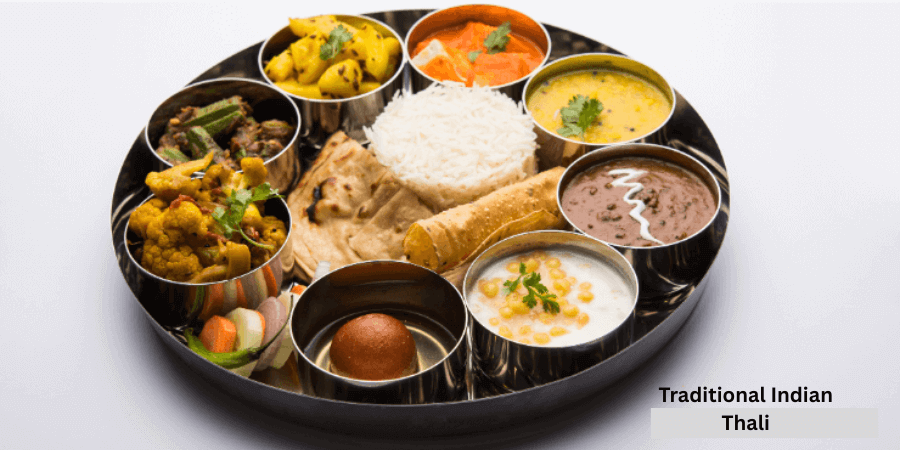
Traditional vegetables lost in the era of potatoes and tomatoes
Today, in most North Indian households, potatoes and tomatoes are cooked daily. Restaurant menus don’t even mention parwal.
People think, “How can we eat parwal? Its taste is so different!” But this mindset is distancing us from our roots.
Vegetables like parval and parmal have been part of our diet for centuries, but modern eating habits have pushed them into obscurity.
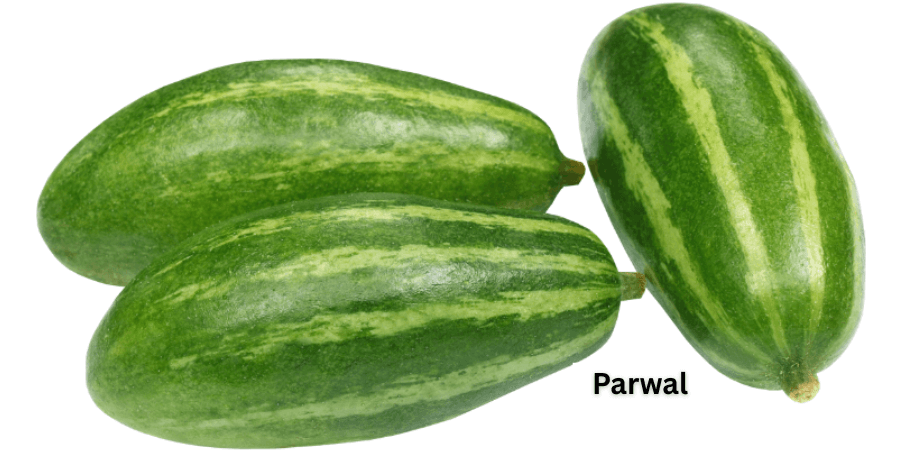
Parval: A powerhouse of vitamins
In Sanskrit, parval is called “Patol,” and in Ayurveda, it is considered a boon for the heart. This vegetable is rich in Vitamin C and Vitamin A, which boost immunity and support eye health.
Additionally, it keeps the digestive system in check and helps eliminate intestinal worms.
According to a 2011 study published in the Journal of Green Pharmacy, parval can be used as a natural deworming agent. Moreover, it aids in strengthening heart muscles.
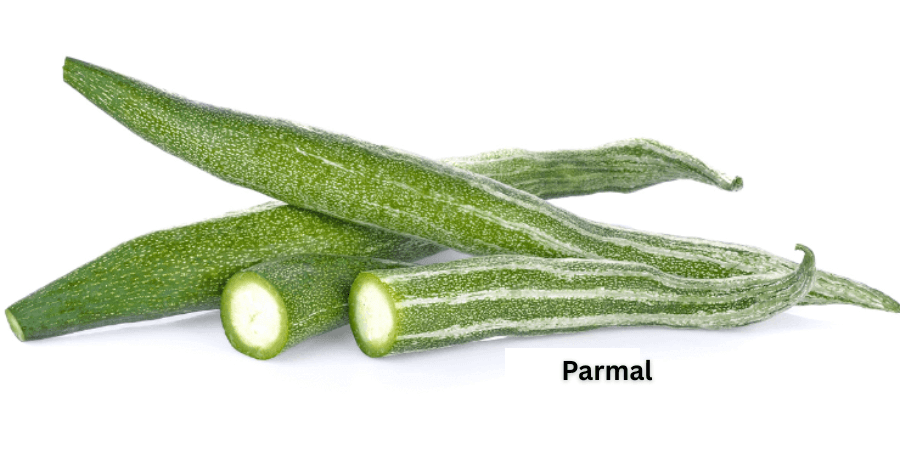
Parmal: Balances Vata, Pitta, and Kapha
Parmal (snake gourd) is another vegetable that people are ignoring nowadays. According to Ayurveda, it balances Vata, Pitta, and Kapha in the body.
It not only soothes stomach heat and acidity but is also beneficial for skin diseases and jaundice.
Why aren’t these vegetables found in restaurants?
People often say, “If there’s no demand, who will supply?” This is why restaurants don’t include these vegetables on their menus.
But if we start cooking them at home and educate others about their benefits, demand will gradually increase. Remember, “Food is ”medicine”—this is not just a saying but the truth.
How to include parval and parmal in your diet?
- Simple vegetable: Cut parwal into small pieces and cook with coriander, cumin, and turmeric. Add coconut or dried mango powder to enhance the taste.
- Stuffed parval: Slit parval in the middle, fill with spicy stuffing, and cook on low heat.
- Parmal raita: Mash boiled parmal into yogurt and mix with cumin and green chili.
- Soup or pickle: These vegetables can also be used in soups or made into pickles.
Advice from doctors and nutritionists
Health experts believe that parval, or parmal, should be eaten at least once a week. They not only provide nutrition but also detoxify the body.
If you have a history of diabetes, high blood pressure, or heart disease, these vegetables are even more beneficial for you.
Why is it essential to adopt old things in the new age?
Today, we are compromising our health in the craze for junk food and processed items. Bringing back traditional vegetables is not just about taste but a step toward a healthy lifestyle.
These vegetables are affordable, easily available, and environmentally friendly too.
Final suggestion: Small start, big change
If you want to stay healthy, try including parwal and parmal in your diet today.
Share their benefits with your family, friends, and even restaurant owners. Remember, “Nature has already created a remedy for every disease”—we ”just need to recognize it.
For any specific health issues, consult a doctor or Ayurvedic expert.