
Introduction
Amaranth: the unknown superfood of ayurveda that destroys toxic elements— In today’s fast-paced life, vegetables like amaranth (chaulai) are gradually disappearing from our plates. They are not only unmatched in taste but also a treasure trove of health benefits.
Sadly, in the craze for potatoes, tomatoes, and paneer, we have forgotten these traditional superfoods. Yet, both Ayurveda and science recognize Chaulai as a “natural detoxifier.”
Let’s find out why this vegetable should be a part of your diet and how it helps fight modern toxins.
In the era of potatoes and tomatoes, Chaulai got lost somewhere
Today, every household is dominated by dry potato curry, dosa-masala, or spicy paneer dishes. But have you ever wondered where our elders’ favorite Chaulai disappeared?
This vegetable is not only packed with nutrition but also excels at flushing out toxins from the body. According to Ayurveda, consuming Chaulai is not just eating food but a “Rasayana” (rejuvenating medicine).
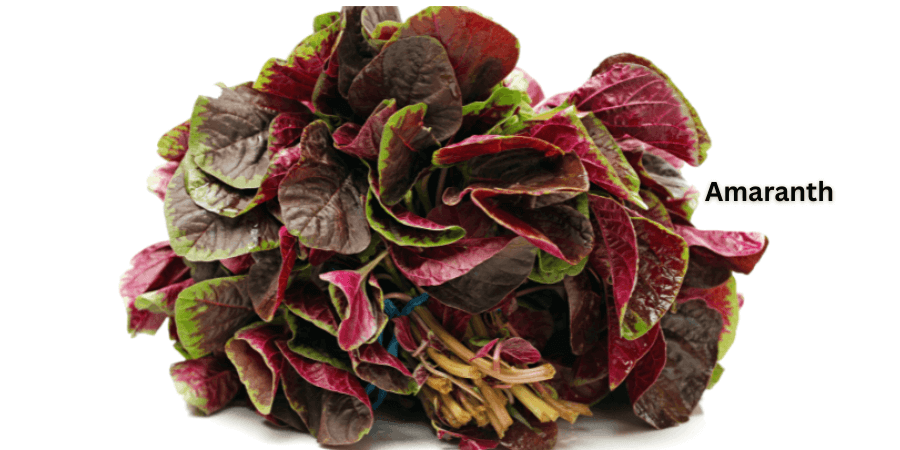
Chaulai: Nature’s antidote that protects against modern toxins
Chaulai is called “Tanduliya” in Sanskrit, and Ayurveda considers it a “Vishhara” (toxin destroyer). Ancient texts mention a story: those who consume Chaulai with rice water remain unaffected by snake venom.
This is no myth—science also acknowledges that the antioxidant and anti-toxin properties in chaulai protect the body from the harmful effects of chemicals, pesticides, and heavy metals.
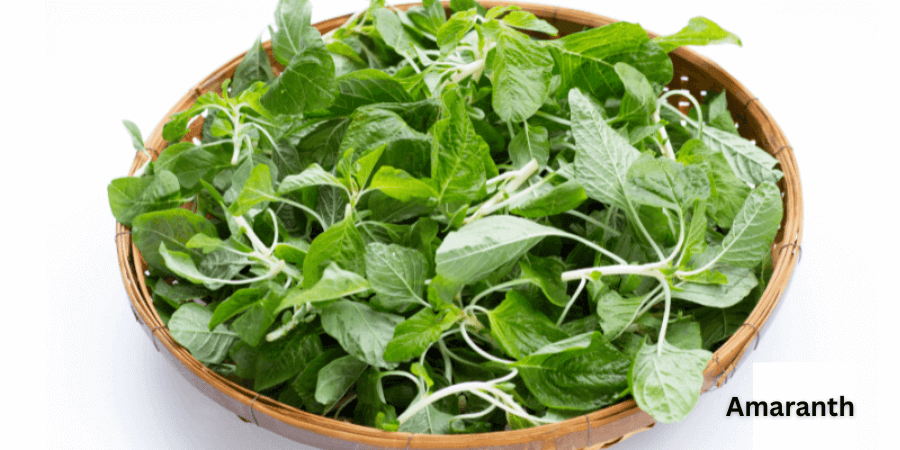
5 major benefits of Chaulai that will change your perspective
- Magical detox medicine: Chaulai flushes out uric acid, kidney stones, and liver toxins. This is why it’s a boon for arthritis (rheumatism) patients.
- Anti-aging superfood: Rich in vitamin C, iron, and calcium, it keeps skin and hair youthful.
- Friend of the digestive system: Chaulai juice or vegetable relieves constipation, gas, and acidity.
- Cures anemia: Being rich in iron, it is beneficial for anemia patients.
- Helps fight cancer: Studies say peptides in chaulai prevent the growth of cancer cells.
How to make chaulai a part of your diet?
Cooking Chaulai is extremely easy. Here are some tasty ideas:
- Simple vegetable: Boil Chaulai in a pressure cooker. Then temper cumin, carom seeds, dry ginger, and mustard in ghee. Mix boiled chaulai and serve.
- Combo with rice: Mix boiled Chaulai with rice water (maand). This combo excels in both nutrition and taste.
- Raita or soup: Mix boiled chaulai with yogurt to make raita or drink it as a soup.
- Pickle or pakoras: Make a pickle from chaulai leaves or coat them in gram flour to fry pakoras.
Opinion of doctors and Ayurvedic experts
Ayurvedic practitioners believe chaulai should be consumed with medicines. For instance, the effect of Sutshekhar Ras (an Ayurvedic medicine) doubles when taken with Chaulai.
It enhances the absorption of medicines in the body. Many experts advise patients: “Taking medicines? Make sure to eat Chaulai vegetable.”
Why aren’t people eating Chaulai?
- Lack of awareness: People think, “It’s food for the poor.” Meanwhile, celebrities and nutritionists call it a “superfood.”
- Lack of availability: Potatoes and tomatoes are easily found in markets, but Chaulai is rare.
- Cooking hassle: People think it takes time to cook, whereas it’s one of the easiest vegetables.
How to start consuming Chaulai
- Grow at home: Chaulai is very easy to cultivate. Plant it in a pot and get fresh leaves in 40-45 days.
- Look in markets: ask local vegetable vendors or search in organic stores.
- Inspire restaurants: Request your favorite restaurant to include Chaulai dishes. Increased demand will boost supply.
Finally, remember…
Ayurveda says, “Food that becomes medicine is true nutrition.” Chaulai is not just a vegetable but a therapy.
If you regularly eat outside food, processed food, or chemically treated vegetables, Chaulai is the safest way to cleanse your body. So why not give it a place on your plate today?
For any serious health issues, consult a doctor or Ayurvedic expert.